Luxury Tech in India: Why the Market is Exploding in 2026
If you have walked into a cafe in Bangalore, Delhi, or even Jaipur recently, you have probably noticed something weird. The table next to you isn’t just rocking a standard smartphone; they are likely showcasing a foldable that costs more than a decent motorbike.
For decades, India was tagged as a "price-sensitive" market. Value for money was the only king. But let’s be real—that narrative is dead. Or at least, it’s evolving fast.
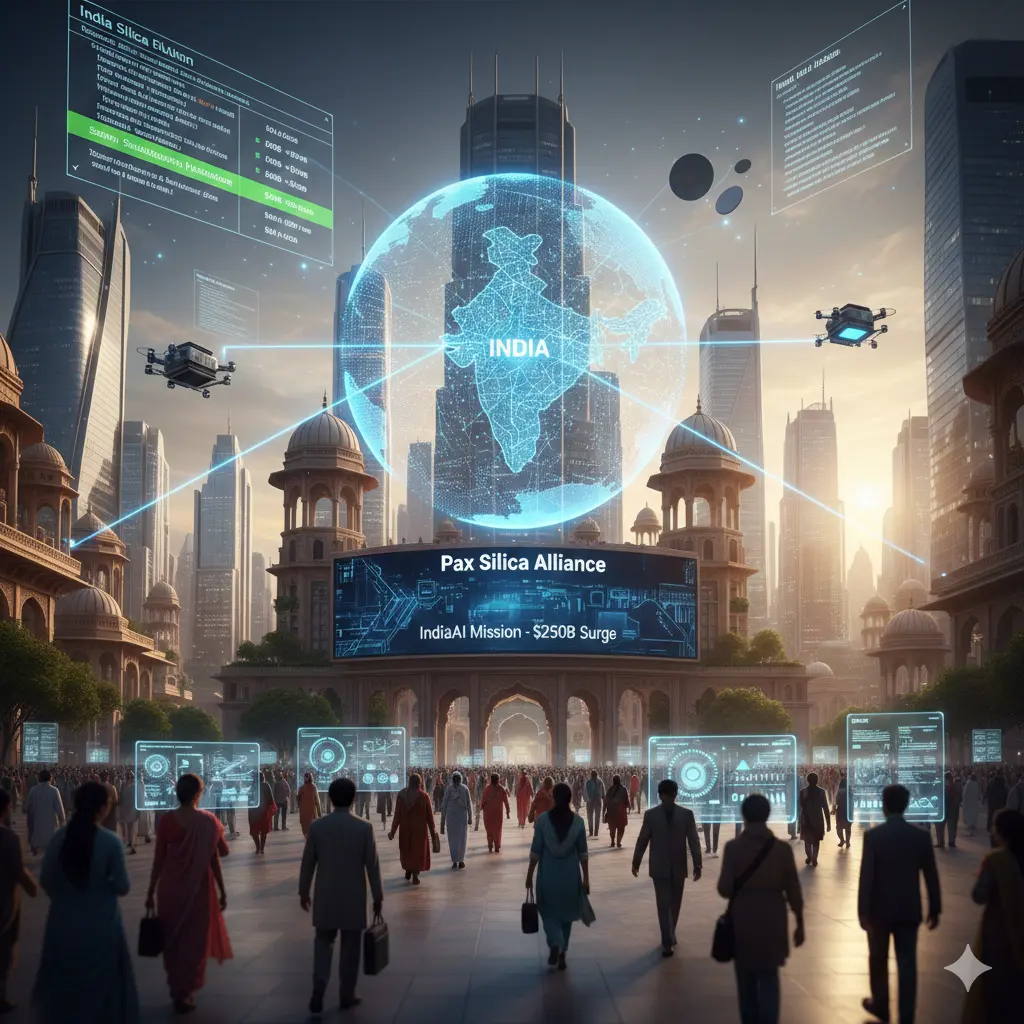
We are witnessing a massive shift towards Luxury Tech. I’m talking about the "Uber-Premium" segment—smartphones above ₹1 Lakh, bespoke smart home automation, and EVs that are bought for performance rather than just saving petrol money. The data is backing this up: the >₹1 Lakh smartphone segment alone saw a 280% surge recently. That is not a typo.
So, what is driving this viral explosion of premium tech in India? And is it actually worth the hype? Let's dive in.
The "Uber-Premium" Smartphone Shift
Remember when spending ₹50,000 on a phone felt like a huge commitment? That bar has moved. Now, the "entry-level" for luxury starts at around ₹80,000 to ₹1 Lakh.
It’s honestly kind of wild to see how quickly this happened. A few years ago, you’d only see iPhones in the hands of top executives. Now, thanks to aggressive EMI schemes and buyback offers, the iPhone Pro Max series and Samsung’s Fold/Flip lineup are becoming common sights even in Tier-2 cities.
Why the sudden jump?
- Content Creation: People aren't just consuming content; they are creating it. If your phone is your business tool, spending ₹1.5 Lakh on a camera-beast feels like an investment, not a splurge.
- Status Signaling: Let's not ignore the obvious. In India, tech is the new jewelry. A foldable phone on a meeting table makes a statement that a gold watch used to make.
- Resale Value: High-end tech holds value. You can sell a 2-year-old iPhone for 50-60% of its value. Try doing that with a budget Android.
Smart Homes: Beyond Just "Alexa, Turn on Lights"
This is where things get really interesting. For a long time, "Smart Home" in India meant buying an Amazon Echo and maybe a smart bulb. That’s beginner stuff.
The real luxury tech trend in 2026 is Integrated Home Automation. We are seeing a boom in luxury apartments (especially in markets like Bangalore, Mumbai, and Gurgaon) coming pre-fitted with systems like KNX or Control4.
| Feature | Standard Tech | Luxury Tech Standard |
|---|---|---|
| Lighting | App-controlled bulbs | Circadian rhythm syncing (lights change color temp with the sun) |
| Security | Wi-Fi Camera | AI Facial Recognition & Biometric Door Entry |
| Ambiance | Manual Curtains | Motorized drapes synced to sunrise/sunset |
I recently visited a demo home in Whitefield where the bathroom mirrors had built-in displays showing the stock market and traffic updates while you brush your teeth. Is it necessary? No. Is it cool? Absolutely.
The EV Flex: Range Over Price
The narrative around Electric Vehicles (EVs) used to be about saving money on running costs. But the luxury buyer doesn't care about saving ₹5 per kilometer. They care about torque, silence, and tech.
The segment of EVs priced above ₹30 Lakh has seen exponential growth (some reports say over 1500% growth in niche premium segments). We are looking at cars like the BYD Seal, Hyundai Ioniq 5, and the entry-level BMW iX1.
The key trend here? "Sovereign Compute" inside the car. These aren't just cars; they are moving data centers. The dashboard screens are massive (Mercedes Hyperscreen style), and the software integration is seamless.
Pro Tip: If you are looking at a luxury EV in India, check the "Real World Range" first. The luxury isn't the leather seats; the luxury is not having range anxiety. Aim for 500km+ claimed range.
The Rise of "Impulse Luxury" (Quick Commerce)
Here is a trend that is uniquely Indian. Platforms like Zepto and Blinkit started delivering iPhones and premium electronics in 10 minutes. This sounds crazy to the western world, but in India, it works.
It taps into the psychology of Instant Gratification. You decide you want the new noise-canceling headphones (₹25,000+), and you want them now before a flight. This "Impulse Luxury" behavior is driving sales of premium accessories—smartwatches, TWS earbuds, and high-end chargers—through the roof.
Case Study: The "Tier-2" Tech Mogul
We often think luxury lives in South Bombay or South Delhi. But the data disagrees. Cities like Surat, Kochi, and Chandigarh are punching way above their weight.
The Scenario: A textile business owner in Surat.
The Tech Stack:
1. Phone: Samsung Galaxy Z Fold (latest gen) for managing inventory sheets on the go.
2. Watch: Garmin Marq (₹1.5 Lakh+) because he plays golf on weekends.
3. Home: Smart locks and CCTV because he travels often.
The Insight: For this demographic, tech isn't a toy. It's a productivity multiplier. They are willing to pay a premium if it saves time or adds security.
FAQs: Buying Luxury Tech in India
1. Is it worth buying luxury tech in India due to high taxes?
It depends. Smartphones are becoming cheaper as companies like Apple and Samsung manufacture locally ("Make in India"). However, imported luxury audio and laptops still attract high customs duty.
2. Does luxury tech have better resale value?
Yes, significantly. Apple products, premium Garmin watches, and high-end camera gear (Sony/Canon) hold value much better than budget alternatives.
3. What is the "Next Big Thing" in Indian luxury tech?
Personalized Health Tech. Think smart rings (like Ultrahuman) and advanced sleep trackers. Health is the new wealth.
4. Should I buy a foldable phone now?
The durability has improved massively in 2025-2026. If you are a heavy multitasker, it's worth it. If you are rough with your phone, maybe stick to a slab design.
5. Are smart homes safe from hackers?
Mostly, yes, if you use premium ecosystems (like Apple HomeKit or professional installs). Cheap, unbranded smart bulbs are the security risk, not the high-end stuff.
Pros & Cons of The Luxury Tech Wave
The Pros
- Longevity: A ₹1 Lakh phone will easily last 4-5 years with software updates.
- Experience: 120Hz screens, spatial audio, and seamless syncing just make life easier.
- Productivity: Faster processors and better multitasking tools actually save time.
The Cons
- Repair Costs: Dropping a foldable phone can cost ₹30,000 to fix. Insurance is mandatory.
- The "Ecosystem Trap": Once you buy the phone, you "need" the watch and the buds to get the full experience. It gets expensive fast.
My Take: Is It Just Hype?
Look, I have tested a lot of gadgets. A lot of "luxury" tech is just marketing fluff wrapped in aluminium. But the shift we are seeing in India right now feels different.
People aren't just buying expensive things to show off (okay, maybe a little). They are buying quality of life. A robot vacuum that actually works saves you an hour a day. A phone that handles 4K video editing lets you run a YouTube channel from your car.
Your Next Step: Don't just buy the most expensive item on the shelf. Look for "Functional Luxury." If a gadget doesn't solve a specific problem in your life (time, health, or security), it’s just a toy. Start small—maybe upgrade your audio gear or get a smart lock—and see if the convenience justifies the price tag for you.